


If you’re wondering what to do in Michigan City, you’ve come to the right place. Michigan City is a vibrant and diverse destination in the heart of Indiana.
Whether you’re a nature enthusiast, a history buff, or just looking for good old-fashioned fun, this charming city has something for everyone.
From its stunning Lake Michigan shoreline to its rich cultural heritage, Michigan City offers many activities and attractions to explore.
Michigan City is a must-visit destination with its blend of natural beauty, cultural attractions, and outdoor adventures.
What To Do In Michigan City
1. Chicago Architecture River Cruise adventure
 This excursion takes you on a scenic boat tour along the Chicago River, where you can admire the city’s famous buildings.
The tour provides interesting live commentary about the history and significance of the buildings, giving you a deeper understanding of Chicago’s architectural heritage. While at it, don’t forget to take a snap of the Willis (Sears) Tower and Old Post Office.
2. Visit the Shady Creek Winery
 For wine enthusiasts, a visit to Shady Creek Winery is a must-do in Michigan City. This local winery offers wine tastings where you can sample various wines produced on-site.
The winery has a charming atmosphere and knowledgeable staff who will provide insights into the winemaking process.
Whether you’re a connoisseur or enjoy a good glass of wine, this is a great opportunity to try local flavors and support a small business.
3. Visit lighthouse & pier
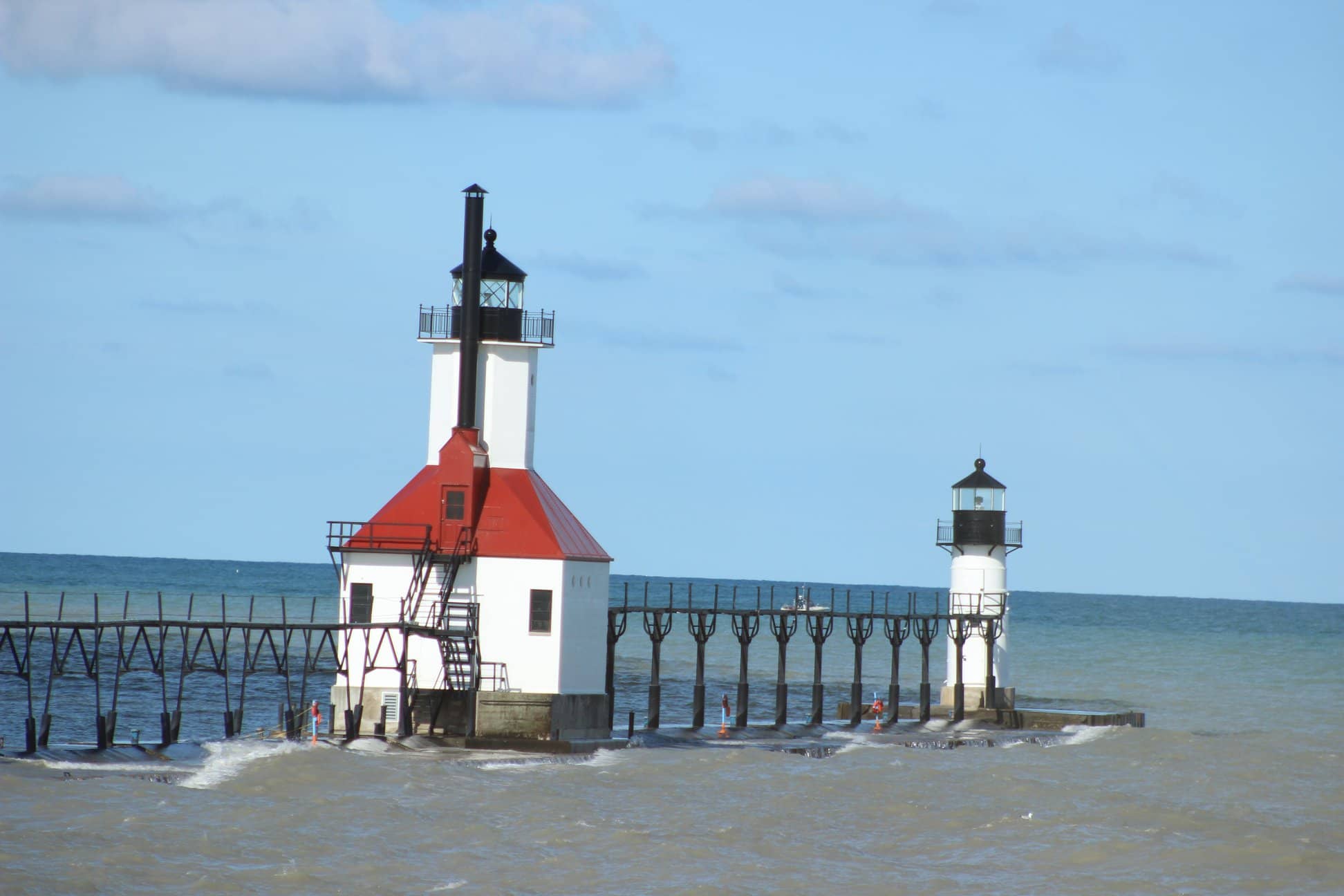 The lighthouse, built in 1858, offers stunning views of Lake Michigan and the surrounding area. Visitors can climb to the top of the lighthouse for a panoramic view or stroll along the pier. This is a great spot to relax, take photos, and enjoy the beauty of the lake.
4. Take a tour of the Barker Mansion
 History buffs will enjoy touring the Barker Mansion in Michigan City. This historic mansion was built in 1857 and offers a glimpse into the life of one of Indiana’s most prominent families. The mansion features beautiful architecture and is filled with period furnishings and artwork.
Guided tours are available to provide you with stories and backgrounds about families who lived there and the area’s history. It’s a chance to step back in time and experience the grandeur of a bygone era.
5. Take a walk in the Friendship Botanic Garden
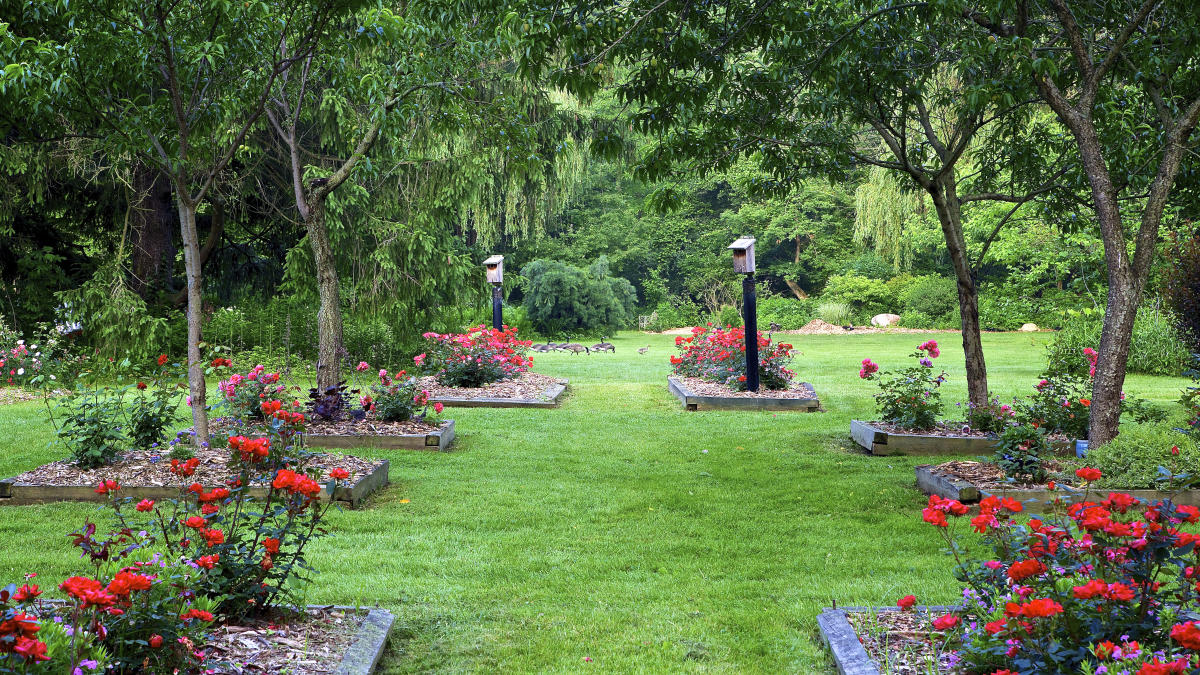 Nature lovers will appreciate taking a walk in this 105-acre garden. It has an impressive collection of themed gardens, serene pathways, and vibrant blooms, making it a peaceful retreat from the hustle and bustle of city life.
You can stroll along winding paths, explore themed gardens, and even encounter wildlife like birds and butterflies. It’s an ideal venue for a romantic outing.
The garden also hosts various events and workshops throughout the year, making it a great place to learn about horticulture and connect with nature.
6. Visit the Washington Park

The park offers something for everyone, including sandy beaches, zoos, picnic areas, walking trails, and playgrounds for children.
The park also has amenities such as volleyball courts, basketball courts, and a skate park for those seeking more active pursuits.
With its scenic views of Lake Michigan and well-maintained grounds, Washington Park is an ideal spot to relax and enjoy outdoor activities with family and friends.
7. Hit the Michigan City beach

This beautiful beach stretches along the shores of Lake Michigan and is known for its soft sand, clear waters, and stunning views.
Visitors can relax on the beach, swim in the lake, or participate in various water sports such as kayaking and paddleboarding. With its pristine beauty and tranquil atmosphere, Michigan City Beach is a must-visit destination for beach lovers.
8. Go to shoreline breweries

Michigan City is home to several breweries that offer a unique and diverse selection of craft beers. You can tour these breweries to learn about the brewing process and taste different types of beers.
Many breweries also have outdoor seating areas where visitors can enjoy their drinks while enjoying the city’s scenic views.
Whether you are a beer enthusiast or simply looking for a fun and relaxing activity, visiting the shoreline breweries in Michigan City is worth it.
9. Visit the Lubeznik Center for the Arts

If you are an art lover, don’t miss the opportunity to visit the Lubeznik Center for the Arts in Michigan City. There, you will find various contemporary art exhibits featuring works from local, national, and international artists.
The centre also offers various educational programs, workshops, and events for adults and children. Visitors can explore the art galleries, attend art classes, or simply admire the beautiful artwork.
10. Trail creek
 For those who enjoy outdoor activities, here is something for you. Trail Creek is a small tributary to Lake Michigan. In this scenic creek, you can fish, kayak, and hike.
Visitors can explore the creek’s tranquil waters, surrounded by lush greenery and wildlife. You will find very few things in life as relaxing and serene as the experience through the trail creek.
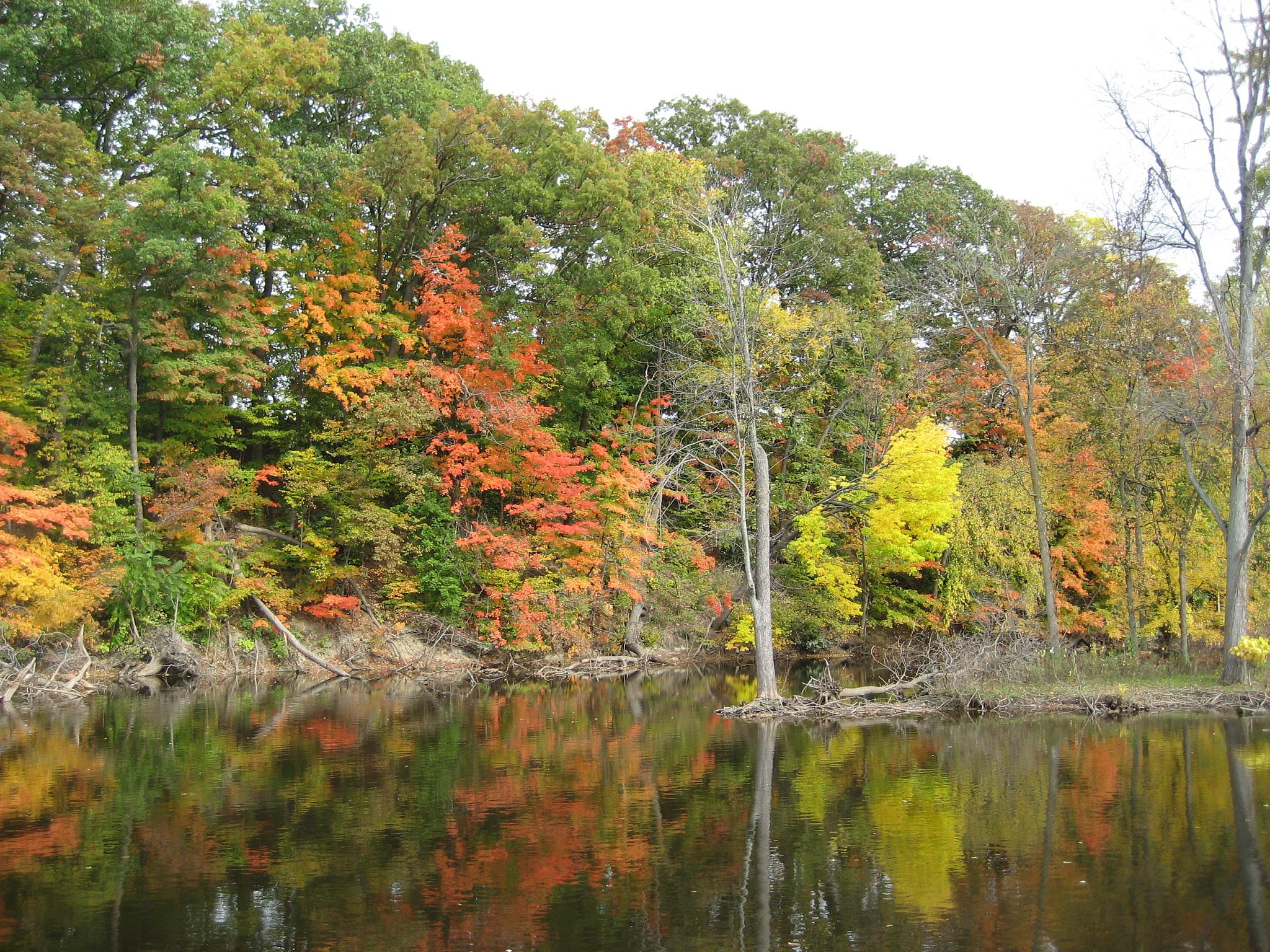
Trail Creek’s beauty is especially captivating in autumn when the foliage transforms into a kaleidoscope of colors. The creek also has several picnic areas for relaxing and enjoying a meal amidst nature.
11. Go shopping at an antique market
 For those with a penchant for nostalgia and unique finds, the antique market in Michigan City is a treasure trove waiting to be explored.
This market offers various vintage and antique items, including furniture, jewelry, collectibles, and more. You can spend hours browsing through the stalls, searching for unique treasures and one-of-a-kind pieces.
The antique market is also a great place to meet local vendors and learn about the history behind each item.
12. Berry barn farm
 Nature enthusiasts and families alike will find the Berry Barn Farm a delightful escape into the world of farm-fresh produce and outdoor fun.
The farm presents an unparalleled chance to hand-pick your preferred berries, cherries, and apples when they are in season.
Visiting the Berry Barn farm provides a connection with nature and offers a chance to savor the flavors of locally grown, organic produce.
The farm also often hosts events like hayrides and pumpkin picking during the fall, creating unforgettable memories for visitors of all ages.
13. Blue Chip Casino
 For those seeking a dose of excitement and entertainment, make sure you pass by the Blue Chip Casino. This modern casino complex has many gaming options, from slot machines to table games, catering to casual gamers and high rollers.
Even if you’re not a seasoned gambler, you can revel in the lively ambience, enjoy live entertainment, and indulge in delectable dining at the various on-site restaurants.
14. Visit Oasis Splash Pad
 For those looking for a more family-friendly activity, this is a place you must check out. Oasis Water Park features various water play areas, like slides, fountains, and splash pads. Do you have kids with you? Perfect!
They can cool off and have fun while you relax in the shaded seating areas. The Oasis Splash Pad is a safe and clean environment that provides hours of entertainment for children of all ages.
Oasis is especially popular during the summer when temperatures rise, and families are looking for ways to beat the heat.
15. Go for a spa session

If you seek relaxation, Michigan City also offers several spa options. The city has several reputable spas that offer various services, from soothing massages to invigorating facials.
Unwind, relax, and pamper yourself with various spa treatments to melt away stress and restore your inner balance. Among the best spas you should check include the Great Escape and Spa Blu.
Skilled therapists will handle you, and combined with luxurious settings, you will emerge from the experience feeling renewed and revitalized.
16. Visit Children’s Garden

A visit to the Children’s Garden is ideal for families with young children. The garden features colourful flowers, whimsical sculptures, and interactive exhibits that engage children’s senses and imagination.
Kids can explore the various garden areas, play on the playground equipment, and participate in educational activities.
The Children’s Garden provides a unique educational experience that encourages children to appreciate nature and fosters creativity.
17. Play golf
 Michigan City offers many excellent golf courses for those who enjoy golfing. The area has several championship golf courses catering to novice and experienced players.
Whether you prefer a resort-style course or a more traditional layout, there is something for everyone. Take advantage of the beautiful scenery and enjoy golf at one of the local courses.
Some notable golf courses include Michigan City Golf Course, Legacy Hills, Golf Club, and Michigan City Municipal Golf Course – North.
18. Explore the Indiana Dunes

The Indiana Dunes National Park offers visitors a unique opportunity to discover an ecosystem rich in biodiversity.
With over 15,000 acres of dunes, forests, and wetlands, it provides a natural playground for outdoor enthusiasts.
Whether you hike through the trails, swim in Lake Michigan, or simply relax on the sandy beaches, the Indiana dunes are a must-visit destination in Michigan City.
19. Visit farmers market
 A visit to the farmers market is another popular activity for both locals and tourists in Michigan City. You can sample fresh produce, baked goods, and other local products in the farmers market.
It’s a great place to support local farmers and artisans while enjoying the market’s vibrant atmosphere. The farmers market has everything from organic fruits and vegetables, homemade jams, and jellies to unique crafts and artwork.
20. Visit Michigan City Public Park
 The heart of any community lies in its public spaces; the Michigan City Public Park is a testament to this. This sprawling park is a hub of recreational activities, offering something for everyone.
For families, the playgrounds provide a safe and exciting space for children to frolic. Picnic areas invite you to relish the outdoors with friends and loved ones, while the well-maintained trails are perfect for strolls and jogging.
Sports enthusiasts can engage in friendly matches on the basketball and tennis courts. The park’s proximity to the beach enhances its allure, allowing visitors to seamlessly transition from land-based activities to sandy shores and sparkling waters.
What Is The Best Time To Visit Michigan City?
Deciding the best time to visit Michigan with kids depends on the activities and experiences you are seeking. Michigan has something unique each season, allowing families to enjoy various yearly activities.
The summer months from June to August are particularly popular, as the warm weather and long days are perfect for outdoor pursuits like swimming, hiking, and boating.
During this time, families can also take advantage of visiting the Michigan Legacy Art Park, which provides a picturesque setting for hiking.
Michigan’s beauty is evident throughout the year, but it truly shines from September to November in the fall season.
With cooler temperatures and the vibrant hues of changing leaves, families can immerse themselves in a picturesque setting perfect for exploration and outdoor activities.
As winter arrives from December to February, Michigan becomes an ideal destination for winter sports enthusiasts.
The state offers an array of ski areas and ice skating rinks, providing ample skiing, snowboarding, and ice skating opportunities.
Spring in Michigan, spanning from March to May, offers an ideal opportunity for families seeking to immerse themselves in the state’s natural landscapes.
With milder weather and vibrant flowers and trees blossoming, the season becomes tailor-made for leisurely nature walks and delightful picnics.
Michigan truly comes alive during this time and allows visitors to witness the breathtaking beauty of its diverse flora and fauna while creating unforgettable memories with loved ones.
What You Need To Know Before Visiting Michigan
Find a perfect place to stay.
When planning your Michigan trip, consider your accommodation options after selecting your destination(s).
Opting for a centrally located place within walking distance is ideal for leisurely evening strolls through charming downtown areas.
At the same time, if you are planning a family camping trip, you need to assess the amenities available to ensure a comfortable stay.
Rest assured that Michigan offers many hotels, bed and breakfasts, and campsites catering to your needs.
Hit the road
Once you have found your ideal place to stay, it’s time to hit the road and explore the state. Michigan is known for its scenic beauty, expansive forests, and stunning lakeshores.
Renting a car or bringing your vehicle is highly recommended, as it will allow you to explore various regions at your own pace.
You can turn your journey to Michigan into a road trip and start with a leisurely drive along the iconic M-22 highway,
Prepare for all weather conditions.
Michigan’s weather can be unpredictable and varied, so it’s important to prepare for all conditions when visiting the state.
Summers can be hot and humid, while winters can bring heavy snowfall and freezing temperatures. Spring and fall can also be unpredictable, with rapid changes in weather patterns.
Packing layers of clothing will help you be prepared for any weather conditions that may arise during your visit. It’s always a good idea to check the weather forecast before heading out for the day to ensure you are dressed appropriately and have any necessary gear or equipment.
Drowning is very much possible.
With its abundant lakeshores and waterways, Michigan offers plenty of opportunities for outdoor activities such as swimming and boating. However, it’s important to know that drowning in lakes is possible without proper precautions.
Always swim in designated areas with lifeguards present, and be cautious when boating or participating in water sports. It’s also advisable to wear a life jacket when engaging in water activities, regardless of your swimming ability.
Don’t plan for everything.
When planning for your trip, do not buy and pack everything. Yes, we get that there is that factor of being prepared and planning for everything, but remember you can buy other things in the city.
And this has many advantages, to begin with, you will travel with less luggage, and while buying the things in town, you will interact with locals and further explore the city.
Conclusion
Michigan City offers a wide range of activities and attractions for visitors to enjoy. From exploring Lake Michigan’s beautiful beaches and dunes to visiting the historic lighthouse and museums, there is something for everyone in this charming city.
Outdoor enthusiasts will appreciate the numerous hiking and biking trails and the opportunity for boating and fishing on the lake. Art lovers can immerse themselves in the vibrant local art scene, while history buffs can look into the city’s rich past.
With its welcoming atmosphere and diverse attractions, Michigan City is a destination you can’t afford to miss.